
ISSUE 12.2
SPRING 2025
welcome
issue contents
> fiction
> nonfiction
> poetry
> art
contributors
interviews
our editors
Featured Artist: Sourav Dutta
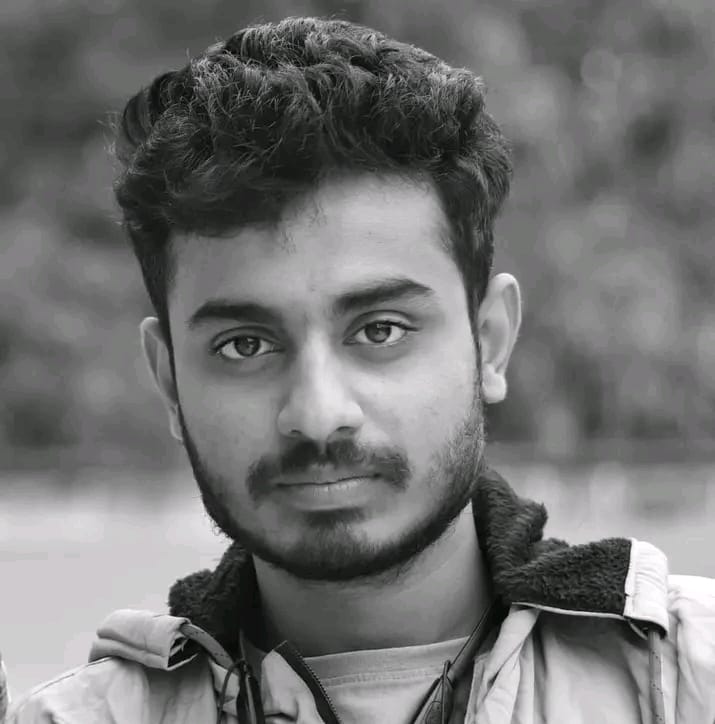
Sourav Dutta
Sourav Dutta (b. 1999) is an Indian art historian and emerging interdisciplinary artist whose academic grounding and curatorial insights bridge the realms of history, visual culture, and contemporary practice. He holds both BFA and MFA degrees in the History of Art from Rabindra Bharati University, where he graduated with First Class honors.
Sourav’s artistic journey is marked by a deep engagement with traditional forms and contemporary discourses. His participation in exhibitions spans regional, national, and international platforms—including the Jagat Ankan Shiksha Kendra Annual Exhibition (2016), RBU Students’ Annual Exhibitions (2022–2023), and international showcases like Same But Different: Equinox to Equinox and SPACE/BODY/CHOICE at WHOYAIT Art Space.
His commitment to cultural scholarship is evident in his lectures and publications, where he explores themes such as the intersection of technology and art, institutional dynamics in creative practice, and the craft traditions of Eastern India. His article on the making of Shital Pati and his review of the CIMA Gallery’s Untitled exhibition highlight his contributions to critical writing in the arts.
Sourav has also served as a moderator at WHOYAIT Art Space and was recently a guest lecturer at Rabindra Bharati University. He has been recognized with several scholarships, including those from the Narendrapur Art Connect Foundation and the Government of West Bengal.
Artist’s Statement
As both an art history student and a practicing artist, my artistic journey is grounded in the investigation of memory, vulnerability, and inner worlds. My work tends to arise from the conflict between visual appearance and emotional resonance, where the outside world is used as a canvas for inner expression.
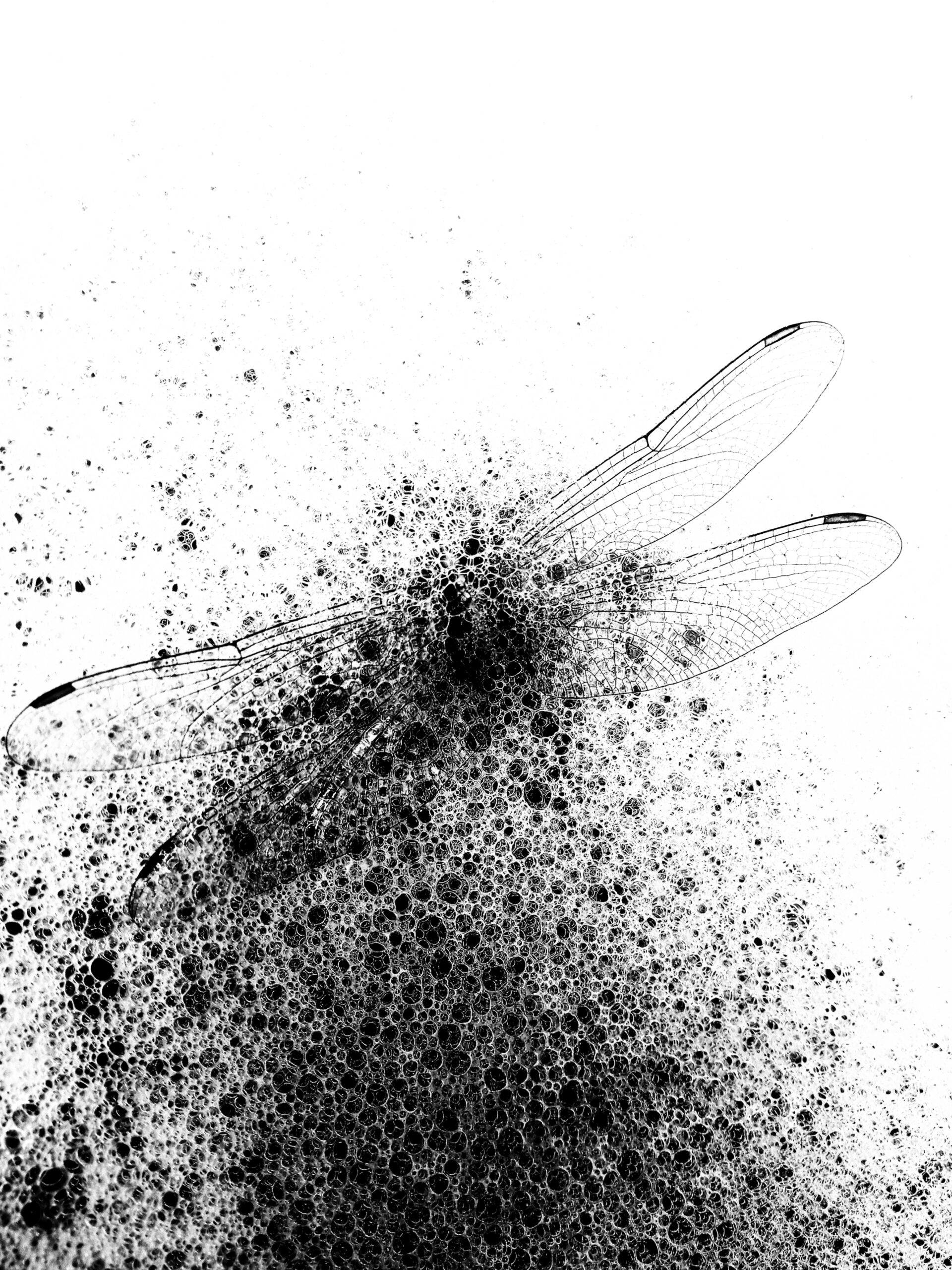
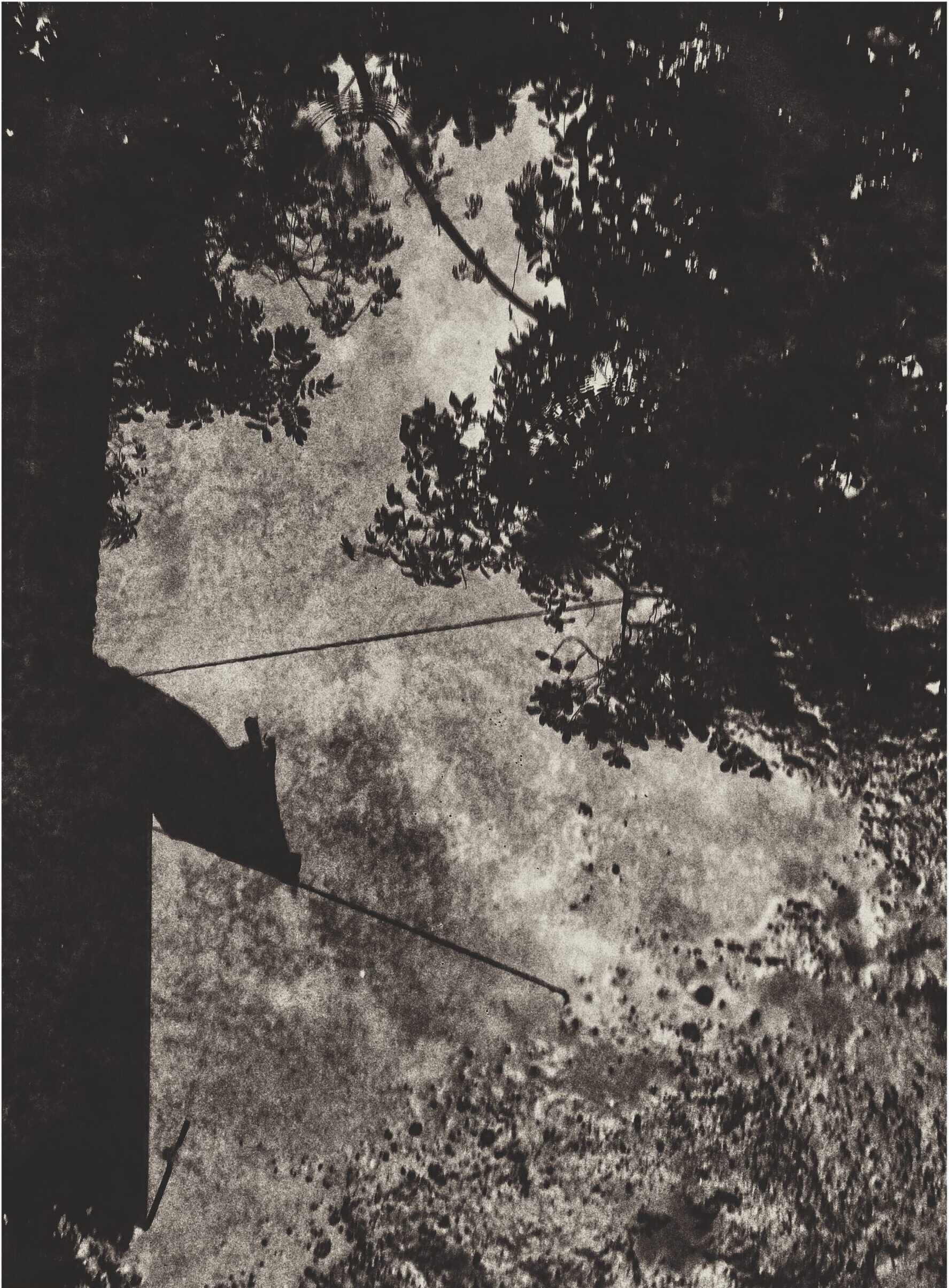
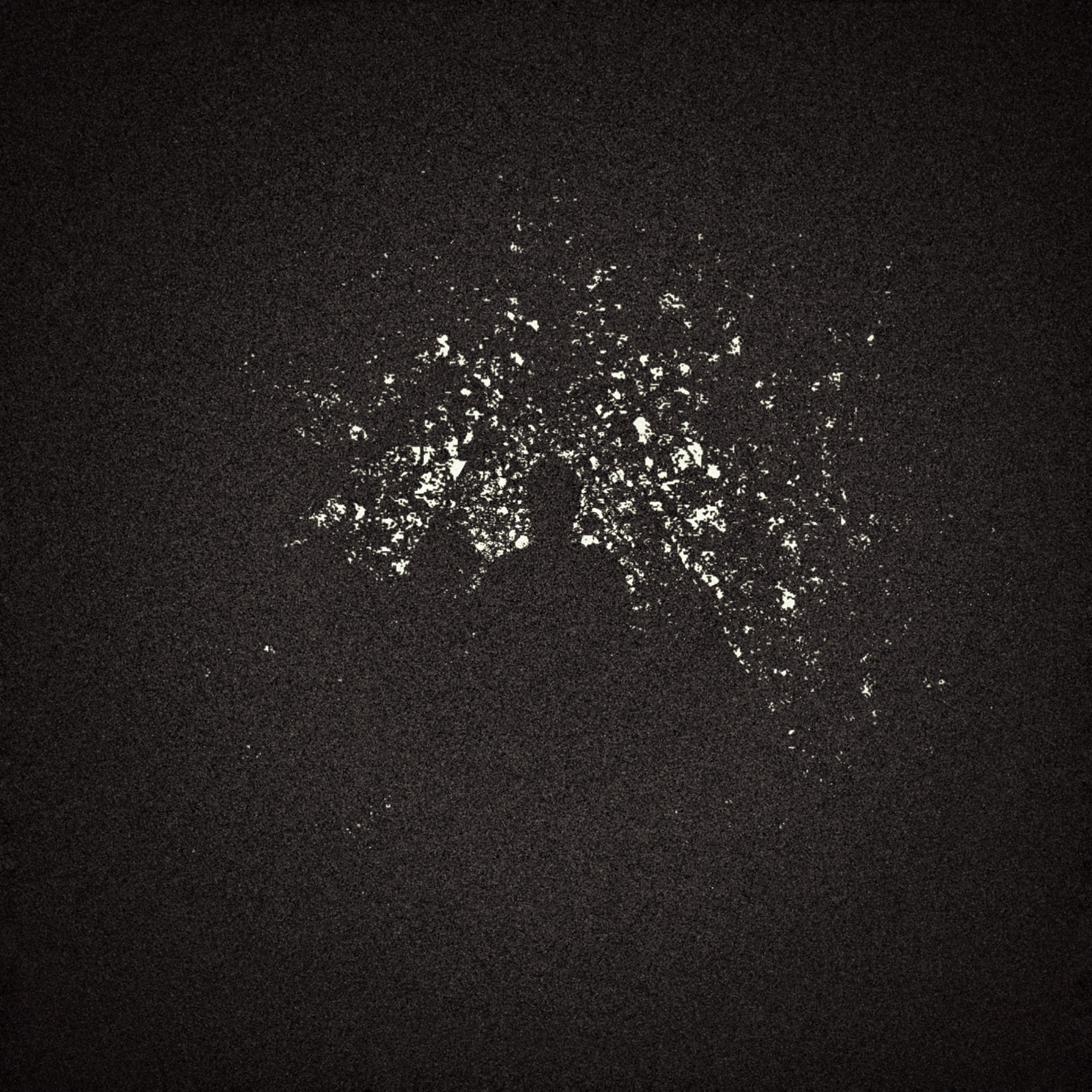
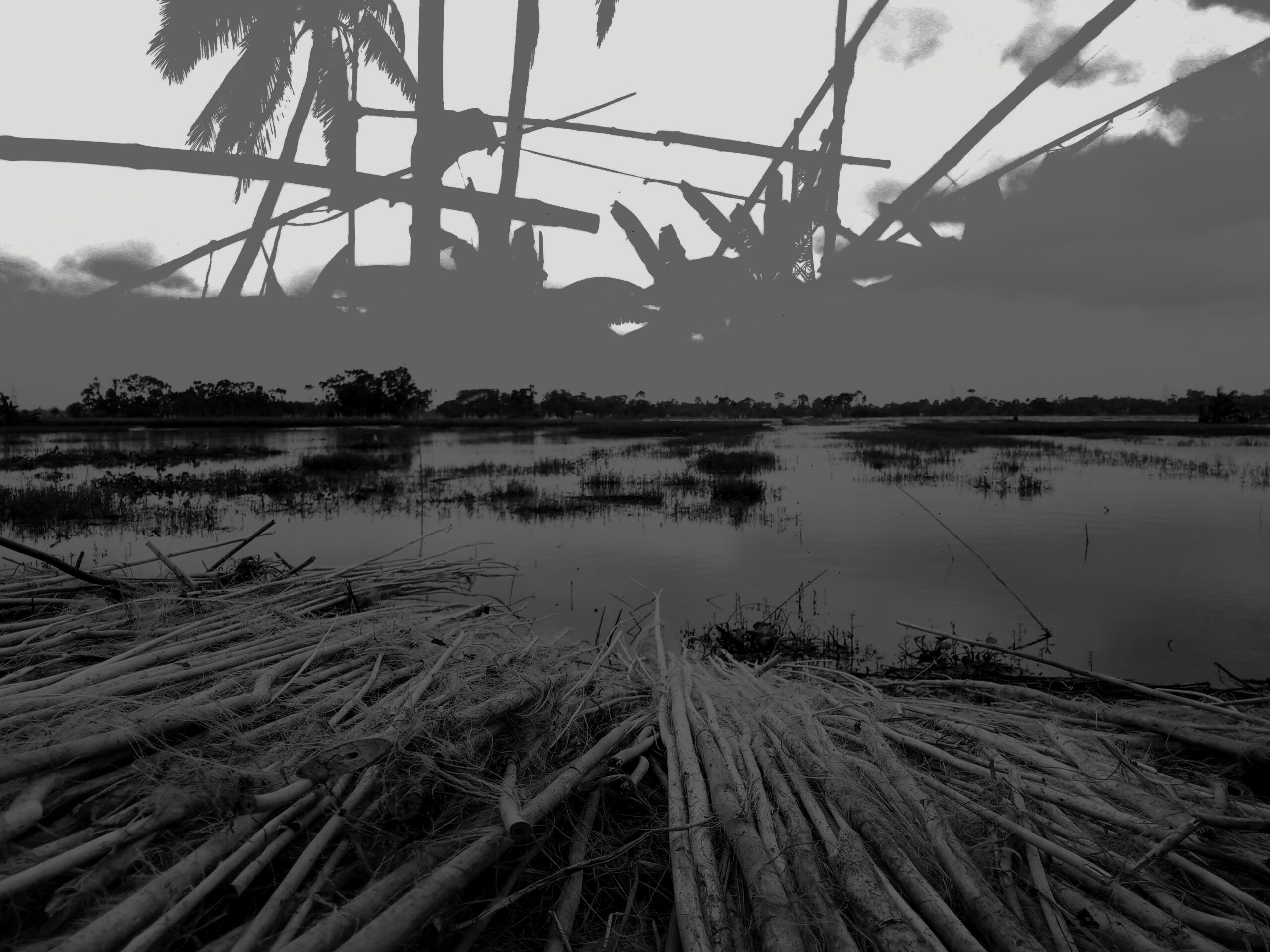
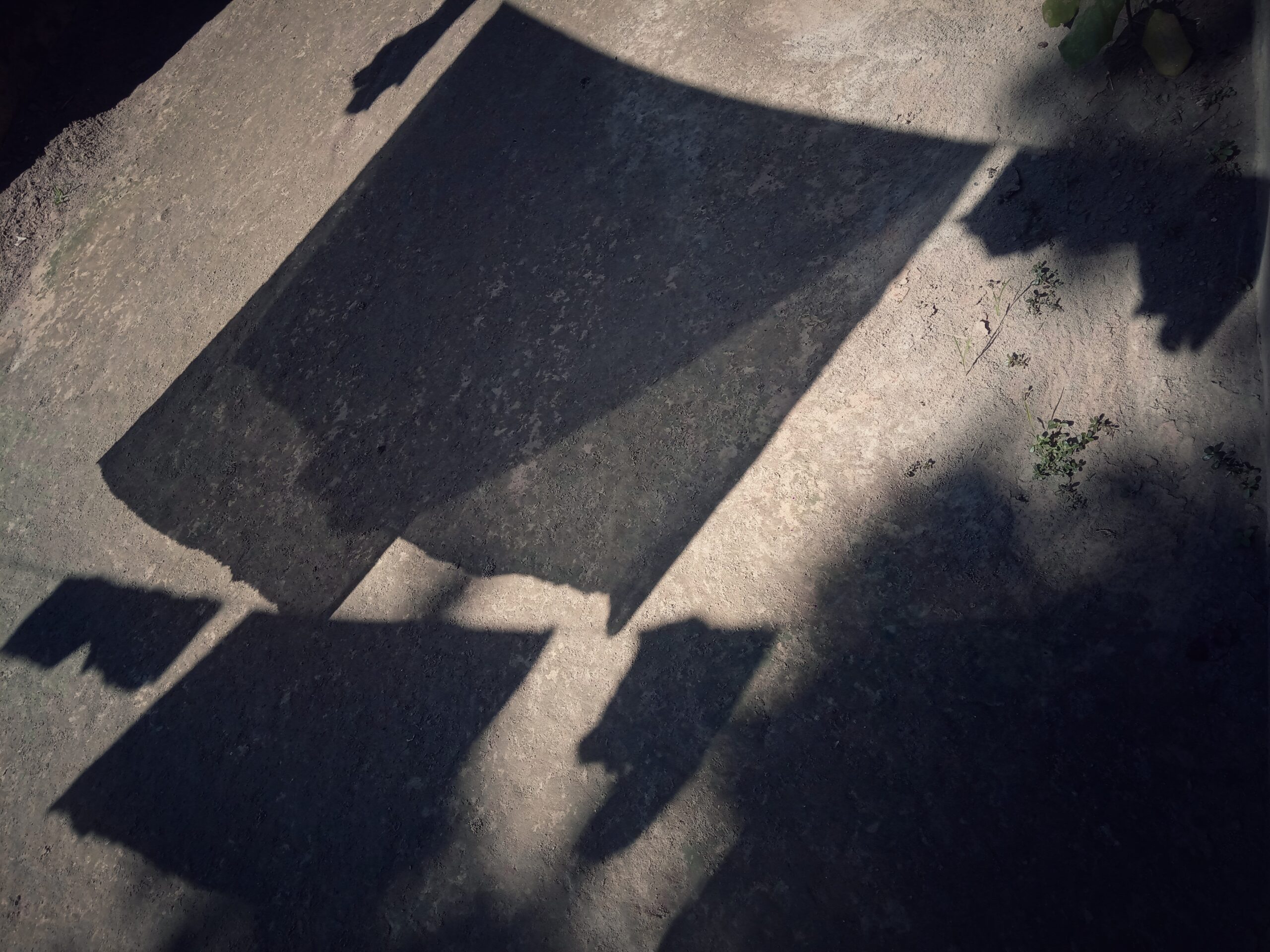
In photographs and digital alterations, I work within natural and built environments, mapping how exterior environments reflect psychological states. The fragility of a dragonfly’s wing, the outline of a figure disappearing into blackness, or the tiered textures of a flooded plain—all become metaphors for presence and absence, for transformation.
These photographs are more than documentation, but silent diaries on temporality, deterioration, and survival. My process dissolves the line dividing photography and painting, so that each piece could breathe with and between narrative and abstraction.
Finally, my practice is a personal act of witnessing—a dialogue between that which is seen and that which is felt.